
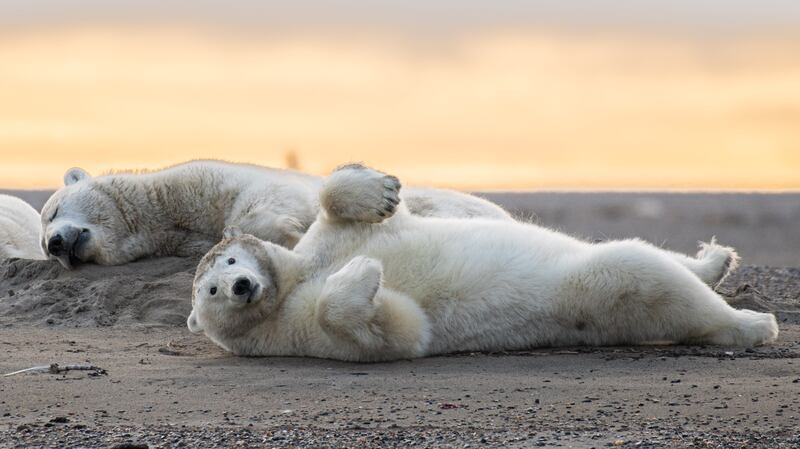
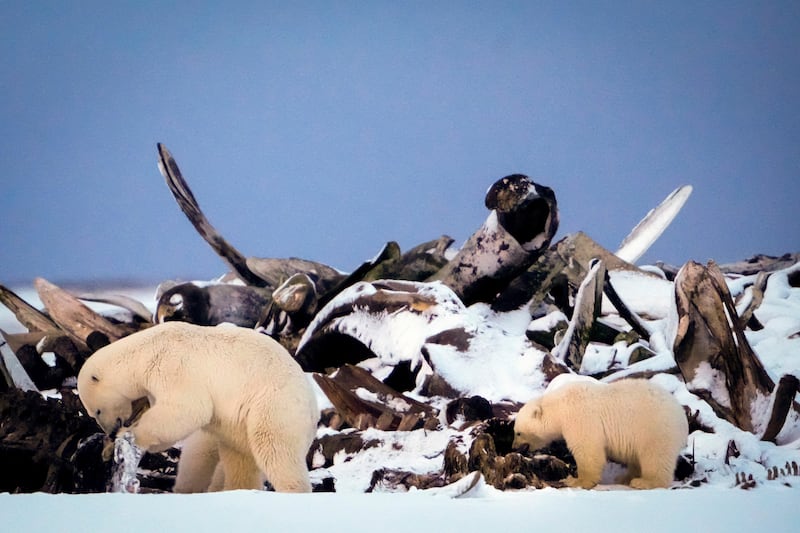
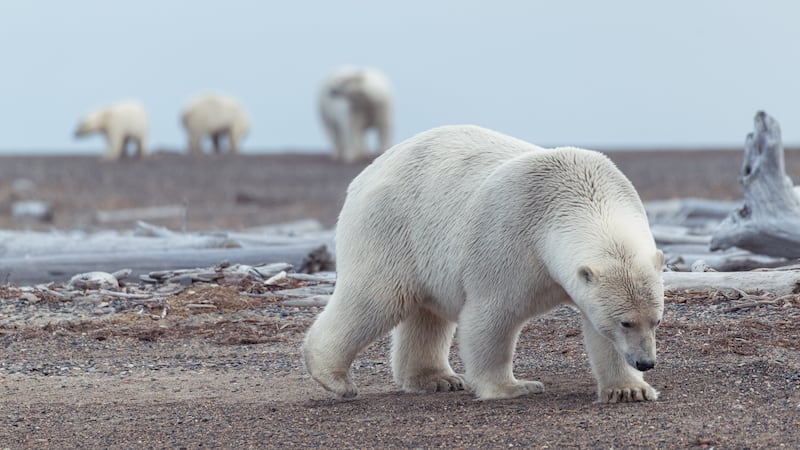
At the end of every summer, high above the Arctic Circle and outside a small Alaskan Native village on the edge of the continent, large polar bears gather to feed on whale carcasses left behind by hunters and wait out the frigid ocean freeze.
The spectacle once brought more than 1,000 tourists each year to Kaktovik, the only inhabited area of the Arctic National Wildlife Refuge, a phenomenon sometimes referred to as “last chance tourism,” a chance to see amazing sights and creatures before climate change wipes them out.
Polar bear tourism in Kaktovik has all but ended due to the COVID-19 pandemic and a federal order canceling bear-viewing boat tours, amid concerns that the small village is being taken over by outsiders.
But Kaktovik leaders now hope to revive the village, saying it could be worth millions of dollars to the local economy and provide another source of income for residents if the village can set guidelines to protect its way of life and the bears themselves.
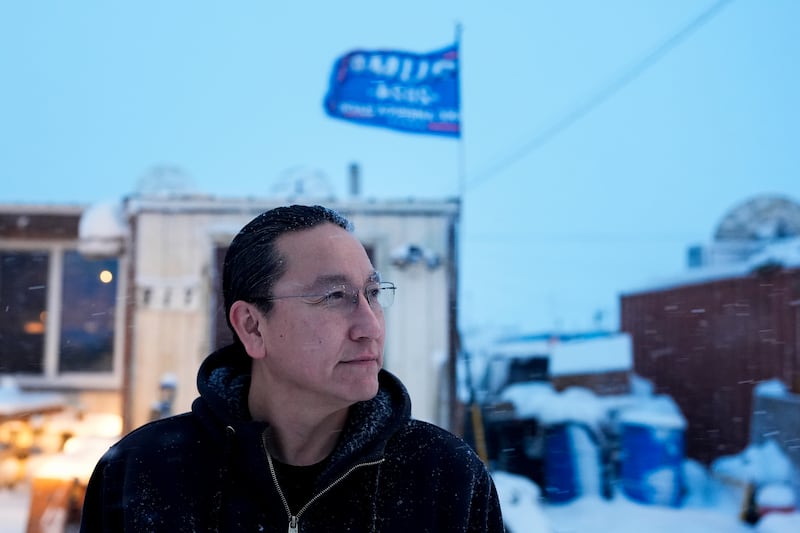
“There are definitely benefits for tourism,” said Charles Lampe, president of Kaktovik Inupiat, which owns 144 square miles of land. “The problem is we can’t operate like we used to.”
Visitors overwhelm a small village
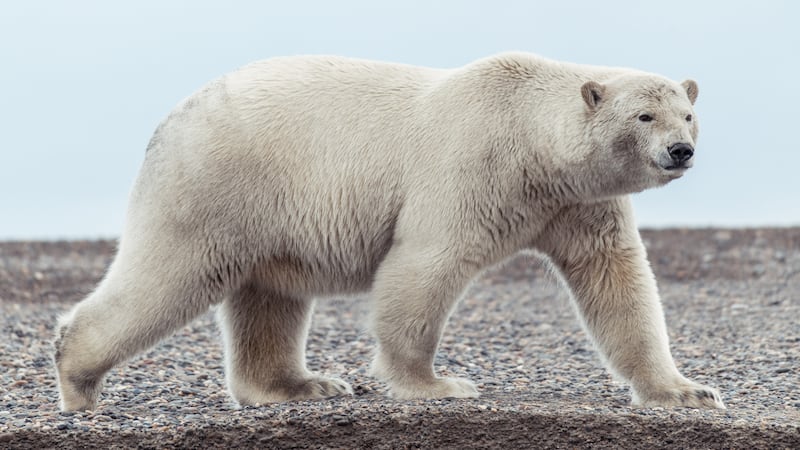
Back in the early 1980s, in Kaktovik anyone with a boat and knowledge of the waters could take a few tourists out to watch bears waddling across the flat, treeless fenced islands just off the coast or tearing the ribs of bowhead whales left behind by subsistence hunters.
Tourism to Kaktovik has skyrocketed since federal authorities listed polar bears as an endangered species in 2008. Rapid warming in the Arctic is melting the sea ice that bears use to hunt seals, and scientists say most polar bears could become extinct by the end of the century.
As visitation soared, the federal government imposed regulations requiring tour operators to be licensed and insured, which began to lock locals out of the industry, Lampe said. Major businesses from outside the town moved in, and soon Kaktovik, a village of about 250 people, began to attract large numbers of tourists during the six-week observation season.
The town’s two hotels and restaurants lost some business as major travel companies began sending tourists from Fairbanks and Anchorage for day trips. Local residents complained that tourists stared at them or walked through their gardens.
Low capacity on planes was a problem, with tourists and residents sometimes scrambling to catch flights to and from big cities for medical appointments, and those stranded in cities forced to secure expensive hotel rooms for the night.
Renewal of polar bear tourism with changes
When the pandemic hit, Kaktovic suspended visits. And in 2021, the federal government, which manages polar bears, canceled boat tours, largely because of concerns that tourists were influencing the bears’ behavior and cluttering the town.
Alaska Native leaders are currently in talks with the U.S. Fish and Wildlife Service to address these concerns and revitalize the industry as early as 2027. Officials told The Associated Press in a statement that they are working with Kaktovik “to ensure that any future opportunities are managed in a manner that prioritizes visitor safety, resource protection, and community input.”
Among the changes Kaktovik leaders want to see is limiting the amount of time boats can stay in the water near the bears. Lampe said that if it takes too long, the bears will become accustomed to humans, creating a dangerous situation if the bears wander into towns in search of food.
At the height of the tourism boom, it became more difficult to chase bears out of town, even when the town’s bear patrols shot them with non-lethal bullets. Lampe said patrols had to kill about three or four bears a year, compared to about one bear a year before the boom.
“Our safety was at risk,” Lampe said.
In 2023, a 24-year-old woman and her 1-year-old son were killed in a polar bear attack in Wales, in far western Alaska. It has been almost 30 years since a polar bear was killed in an attack in Alaska, the only polar bear habitat in the United States.
Since boat tours in Kaktovik were canceled, the bears have become afraid of humans again, Lampe said.
Encouraging respectful visits to the Arctic
Polar bear tourism coincides with Kaktovik’s subsistence whaling season. Once the crew brings the whale ashore, it is usually butchered on a nearby beach. Although the community encourages visitors to watch and help, some people record or take photos without permission, which is disrespectful, Lampe said.
Shelley Rupert, CEO of the American Indian Tourism Association, suggested marketing Kaktovik itself as a two- or three-day experience.
Indigenous communities ready to welcome tourists “hope that they will come and be educated and leave with a deeper understanding of our people, our way of life and our culture,” she said.
When Australians Roger and Sonia McCartich visited Kaktovik in September 2019, they were looking for the best place on earth to see polar bears in the wild. They spent several days in the village, taking walking tours led by elders and purchasing souvenirs made by local artists, including hoodies featuring polar bears.
For Sydney-based professional wildlife photographer Roger McCartich, the highlight was a boat trip to see bears roaming and immersing themselves in the barrier islands. The bears paid no attention to them.
“It’s about as good as it gets,” he said.
#Kaktovik #aims #revive #polar #bear #tourism #industry