This story originally appeared on Retail Dive. For daily news and insights, subscribe to our free daily Retail Dive newsletter.
Spring is a good time for most birds, but not all.
In the past few weeks, the direct-to-consumer shoe brand has made moves that represent its stunning descent from unicorn status and multibillion-dollar valuation on its initial public offering day. Last month, the conglomerate that owns Aerosols acquired the company’s intellectual property and other assets for a relatively small sum of less than $40 million.
The company’s remaining organization, called “NewBird AI,” will be a technology company specializing in “AI computing infrastructure, with a long-term vision to become a fully integrated GPU-as-a-Service (GPUaaS) and AI-native cloud solutions provider.” The latter move confused many observers, but it certainly sent the stock skyrocketing and netted $50 million from an anonymous investor.
“This is perhaps an ominous end for Allbirds as a standalone business and another sign that the DTC bubble has firmly deflated,” GlobalData managing director Neil Saunders said in an emailed comment after the deal was announced.
While it’s true that Allbirds joins the growing list of DTC brands that have fallen from their lofty perch, there are other reasons for its decline.
“I’ve heard people blame DTC, but I don’t believe that’s true,” Jessica Ramirez, co-founder and managing director of Consumer Collective, said by phone. “I think DTC is a good channel if you use it properly. More importantly, is your product evolving with the needs of the consumer? And is it evolving with the market? Is it actually interesting? I don’t think Allbirds did that.”
Allbirds’ main differentiator is the use of innovative materials made from recycled natural resources. But the company may not have understood that even environmentally focused consumers want more.
“Sustainability is actually way below factors like style, price and comfort,” Saunders said. “Allbirds could have committed to either of these along with its green credentials, but has largely chosen not to do so.”
Matt Powell, a senior adviser at BCE Consulting, said anyone looking closely at Allbirds’ supply chain might have questioned the company’s claims given its carbon footprint. But even if the supply chain were very clean, brands would still need the right products.
“The material itself was sustainable, but they sheared the sheep in New Zealand and sent the wool to Milan to be woven. They sent the woven wool to South Korea, made shoes, and sent them to the United States,” Powell said in a direct interview. “But that wasn’t the problem; the product actually wasn’t fresh enough and there was no reason to buy another product. And the design was very basic.”
In the end, Allbirds didn’t understand its customers, who were interested in sneakers to wear around town. Although the performance required for track and field events is not required, these shoes can be worn stylishly at various venues.
It was a big opportunity, but Allbirds focused on growth rather than execution, said Riza Amrani, principal at Retail Strategy Group.
“They don’t really understand the retail consumer or how products are made or the end-to-end of retail,” she said by phone. “They thought they needed 100 stores, but they needed to fill those doors.”
At its peak, the brand had around 60 stores, but in January it announced it would close its remaining full-price stores, leaving just two stores and two in London.
But Allbirds went further than that into what amounts to a walking shoe. “It comes down to products not evolving with consumer interests and needs,” Ramirez said.
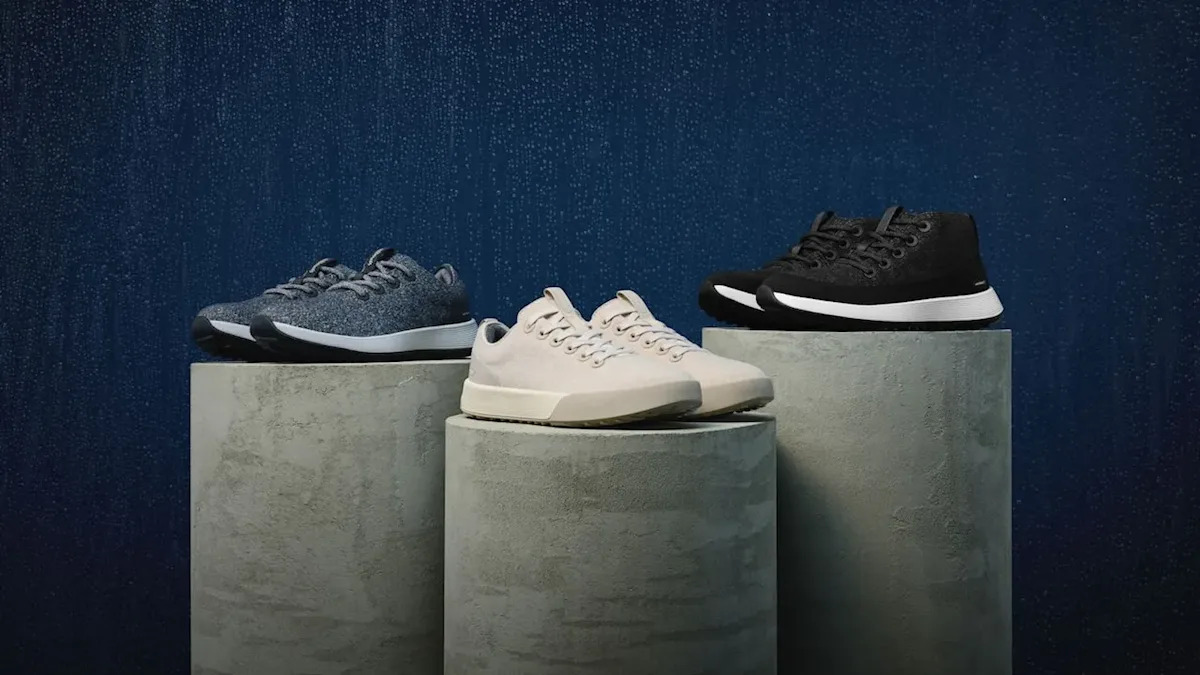
In effect, this shoe is targeted at the fashion-loving customer. But its customers wanted newness, and Allbirds’ answer was to release the same style in different shades, Powell said. In fact, this year the brand announced a partnership with Pantone, a company that coordinates the colors used in various types of design and manufacturing.
“In my opinion, the only place there’s a lot of color work is in inexpensive shoes like Chuck Taylors,” Powell said. “And, again, the best-selling colors for Chuck Taylor are white and black. You can expand the colors, but that’s the limit, and you don’t need 36 colors. That was differentiation at Allbirds: Let’s use color, let’s use more color. But that wasn’t what consumers were looking for.”
By not evolving their product, Allbirds lost the very group that appealed to it the most. As part of its restructuring, the company has released new styles in brighter colors, including waterproof sneakers and comfortable slippers.
Now, it’s up to a new owner to reinterpret the Allbirds shoe.
“It felt like sneakers, but it wasn’t. But once you get halfway there, the next obvious place to be is to wear sneakers. It just drifted away,” Powell said. “Fashion killed Allbirds, after all.”