
TRUSSVILLE, Ala. (WBRC) – What started as a quick walk before a family gathering turned into a tense and prolonged security situation for a Trussville man, raising broader concerns about how the community handles encounters with dangerous wildlife.
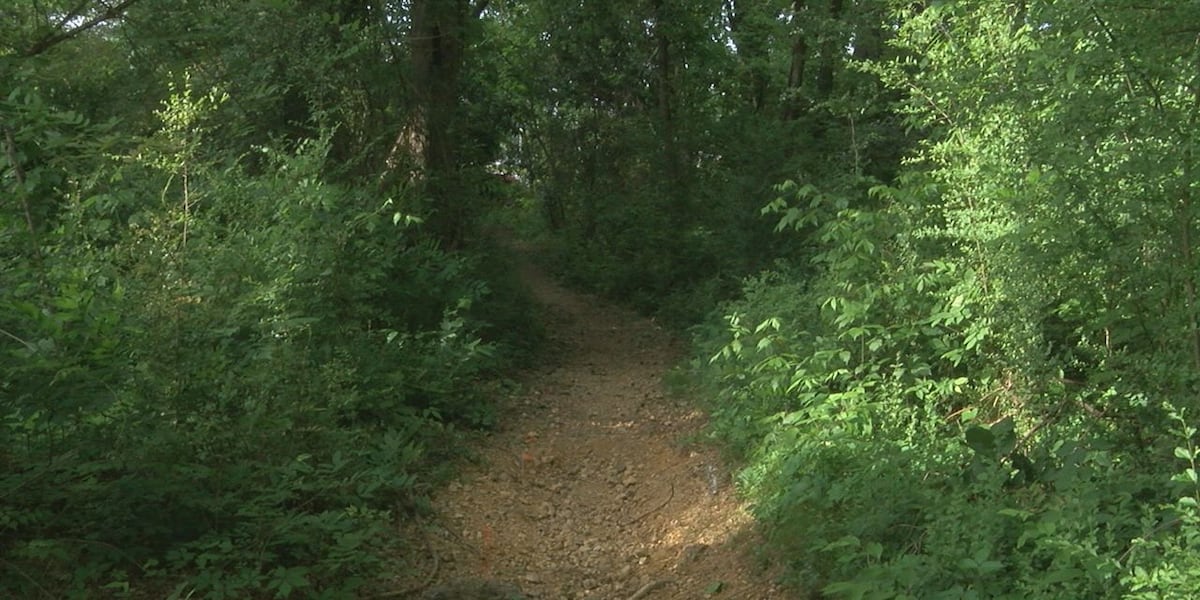
Jeremiah Smith said the incident happened earlier this month while he was walking his dog on the path behind his home near the Trussville Sports Complex. The area was busy with families and children gathering for a youth softball game.
Smith said he first noticed the raccoon lying motionless on the road.
“And that raccoon was right there,” Smith said.
At first he believed the animal was dead, but he said that’s not unusual in areas where wildlife activity is common. But as he cautiously approached, things quickly changed.
“It starts shaking its head, spitting, drooling, hissing and trying its best to lunge, but about five to seven seconds after it’s used up all its energy, it comes flopping back to the ground,” Smith said.
Mr Smith said the animal’s erratic behavior immediately caused concern, especially considering there were so many people nearby.
“It was clearly sick or in pain,” Smith said, adding that the raccoon was sluggish but could suddenly become aggressive.
As several children approached out of curiosity, Smith said her focus shifted to keeping others safe. He clung to the dog and began telling the children to stay back while calling for help from his siblings.
“I don’t know what to do with the kids around me who are so curious about these sick and injured animals,” Smith said.
When his siblings arrived, they alerted the family and worked together to alert their parents at a nearby ballpark. Smith said they also had to stop people coming from the opposite direction on the trail. That included a runner who unknowingly got within a few feet of the raccoon before being warned.
Despite the urgency, finding help has proven difficult, Smith said.
He said he called multiple agencies, including Parks and Recreation, Public Works and non-emergency law enforcement, but received no clear instructions.
“I didn’t know who to call,” Smith said.
Smith said he monitored the situation for nearly an hour and called 911 after alerting others, but help was still not immediately available.
Eventually, he contacted the Greater Birmingham Humane Society, who guided him through the appropriate route. But by then, things had already changed after his mother shared a post in a Facebook group warning neighbors about the animal.
“There was a comment on one of the posts from a woman who said her husband went out and filmed her,” Smith said.
It is illegal to discharge a firearm within the city limits of Trussville. Smith said the animal was later destroyed, but questions remain about how it was treated.
For Smith, the experience highlighted what he believes is a gap in public services available during wildlife emergencies.
“I feel like this highlights a need,” Smith said. “I think this is generally everywhere. We need more public, free and accessible animal services.”
He also expressed concern about the potential costs associated with private wildlife removal, which he said could discourage people from reporting dangerous situations.
“This could be a great preventative measure for many people,” Smith says.
The Jefferson County Health Department advises that if you encounter an animal you suspect has rabies, avoid contact and move it to a safe location. Animal control services vary by jurisdiction, so residents may need to contact local authorities or law enforcement for guidance, officials said.
Health officials also stress that exposure to rabies is a medical emergency. If you are bitten by an animal that may have rabies, you should seek immediate emergency room treatment. Without prompt vaccination and treatment, rabies is almost always fatal.
Mr Smith said he hoped that by sharing his experience, it would raise awareness not only of rabies, but also of the need for clear and accessible guidance at moments when time is most critical.
“We were lucky that this raccoon was very, very tired and probably less than 12 hours old,” Smith said. “There is no time to look at your phone, look at different pages, look at different numbers, and not find something that can help you right away.”
He added that situations like this can happen anywhere, even in areas that many people consider safe.
“Rabies is not just a rural problem; it can happen in your own backyard,” Smith said.
For now, he hopes others understand the simple message: stay alert, stay away from wild animals and know who to call before an emergency occurs.
Get news alerts in the Apple App Store and Google Play Store, or subscribe to our email newsletter here.
Copyright 2026 WBRC. Unauthorized reproduction is prohibited.
#Wildlife #scare #Trussville #raises #questions #call #emergency