
One morning in January 1969, an oil platform off the coast of Santa Barbara exploded. More than 3 million gallons of oil spread across California’s coastline, darkening the coast and killing marine life. It was the largest oil spill the United States had ever experienced.
The disaster has already galvanized the environmental movement around pesticides and pollution, and inspired the first Earth Day. April 22, 1970 – 56 years ago today – 20 million people took to the streets, motivated by a shared belief that collective grassroots action can drive change. It happened. Within a few years, the United States had an Environmental Protection Agency and the landmark Clean Air and Clean Water Acts.
Earth Day is now celebrated in more than 190 countries. An estimated 1 billion people are showing care for the planet by participating.
But compassion is not the same as taking on the burden of protecting the planet. During this time Communities already living on the front lines of industrial extraction and environmental destruction are bearing the heaviest burden, and activists everywhere who have made caring for the planet their life’s work face real costs. It means constant daily effort, constant risk, and sometimes violence.
And sometimes they win.
This week, for the first time in its 37-year history, the Goldman Environmental Prize will recognize six grassroots activists, all women. They have secured real wins for communities and ecosystems, from landmark climate change rulings in South Korea and the United Kingdom, to halting mining projects in Colombia and the United States, to protecting ecosystems in Papua New Guinea and Nigeria.
Their achievements deserve recognition. But they are part of a much larger, largely invisible story. Thousands of other people are doing this work. Most people don’t win awards. Many of them are not known beyond their communities. Some people pay the price with their lives.
Real environmental action, the kind that changes things, is rarely dramatic. It is time-consuming, arduous, and relational work. Years of community meetings. Having the same conversations over and over again with people who are afraid and aren’t sure it’s worth the risk. They lose in court and come back with a stronger case. Building a broken coalition and rebuilding it. There is no certainty that things will turn out well.
After years of photographing activists around the world, I’ve seen the pain behind success. Fatigue is slowly building up. After years of hard work, self-doubt creeps in. The sadness deepens as you watch the things you love disappear faster than you can protect them: the river you grew up swimming in, the land your grandparents tended, your hometown. This suffering does not come with the job. It’s part of winning, and when victory comes, it feels even better.
For some people, the cost may be even higher. Environmental activities can be life-threatening. Global Witness has documented the killing or disappearance of at least 2,253 environmental activists between 2012 and 2024, a rate of approximately three per week.
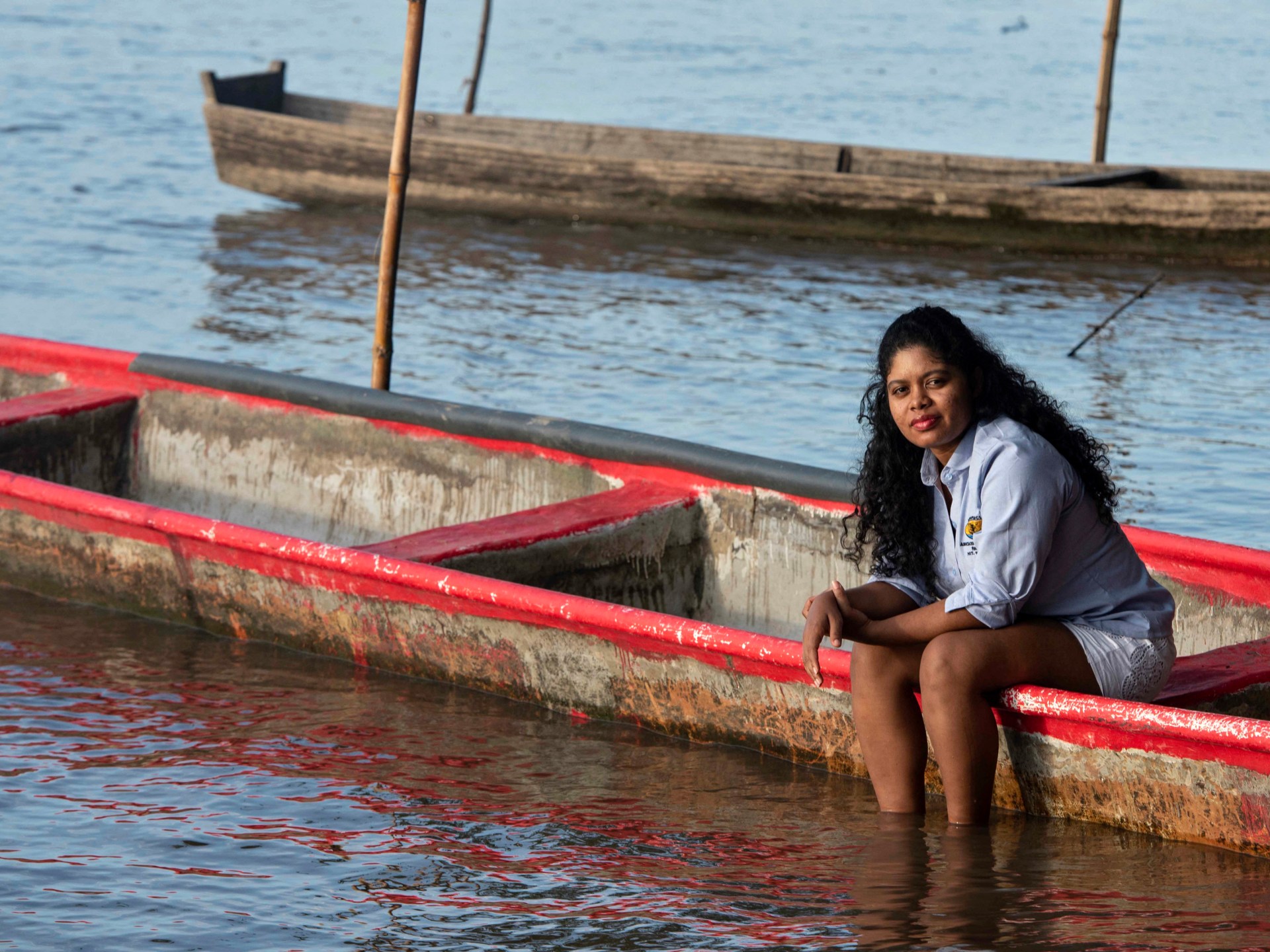
Yubelis Morales Blanco, one of this year’s Goldman Prize winners, knows this risk firsthand.
She grew up in Puerto Wilches, Colombia, on the banks of the Magdalena River. It is a country where more environmental defenders have been murdered than anywhere else. In her Afro-Colombian community, the river is everything: food, livelihood, identity. Her campaign began in 2018 after a spill from an oil field run by state oil company Ecopetrol polluted the river, killed thousands of animals and displaced nearly 100 families.
When Ecopetrol proposed two fracking projects near her hometown, Ubelis became a leading voice in the campaign against them. She was repeatedly harassed and threatened until one day armed men came to her house. She fled to France, where she was granted asylum. From there, she continued her campaign. These projects were halted in 2022, and two years later, Colombia’s Constitutional Court ruled that the projects had been approved in violation of the community’s right to free, prior and informed consent.
After that, Mr. Ubelis returned to Japan. She is still fighting for a complete ban on fracking in the country and legal protection for advocates like herself.
Although she is only 24 years old, she has already been an activist for eight years.
Her story is extraordinary. It’s also typical in a way. Around the world, activists who make a difference share a stubborn tenacity. It is the ability to withstand setbacks and the courage to keep going when all rational calculations tell us the battle is over. Behind every environmental victory, every mine stopped, every river protected, every polluter forced into action, there’s a story of someone who never gave up and kept showing up.
In South Korea, Borim Kim founded Youth 4 Climate Action after a record heatwave hit the country in 2018, killing 48 people, including a woman the same age as her mother who died alone at home. This crisis made her realize that nowhere is safe. She started with climate and school strikes and expanded from there, organizing 19 youth plaintiffs to file Asia’s first youth-led constitutional climate change lawsuit, and contributing to the growth of a national movement around it.
In 2024, South Korea’s Constitutional Court unanimously ruled that the government’s climate goals, which mandate legally binding emissions reductions by 2049, are unconstitutional. This was the first groundbreaking ruling in Asia.
Borim’s tenacity was matched by her ability to forge connections and build coalitions. The most lasting environmental victories are not won alone. They are built by people who maintain communities, maintain relationships over time, and maintain momentum and pressure until the system is forced to move.
This is a job that often falls on women. In many contexts, particularly in the Global South, women remain underrepresented in formal decision-making forums. But at the grassroots level, they are often the organizers, connectors, and relational workers who enable collective action.
Earth Day began with a belief in the power of collective effort, and that effort continues year-round in communities around the world. Global support for climate and nature initiatives has increased significantly in recent years, as evidenced by the one billion people who take part on April 22 each year. Everyone who participates today matters. The question is what to do tomorrow.
The six Goldman Prize winners honored this week have been at this work for many years. They didn’t start out as award winners. Like most activists, they started by deciding that something they loved was worth joining. And they kept showing up again and again.
They will continue to move forward. So are the thousands of people whose names we will never know, fighting this fight in places many of us will never see.
We don’t all have to do what they do. But we can’t leave everything to them. Their presence and their stories evoke a simple question: What will we continue to show up for long after today is over?
The views expressed in this article are the author’s own and do not necessarily reflect the editorial stance of Al Jazeera.
#Earth #Day #lets #remember #protect #planet