
Scientists believe they’ve discovered a way to travel at the speed of light, but there’s one detail that dampens their excitement. That means humans will have to wait 1,000 years to test it.
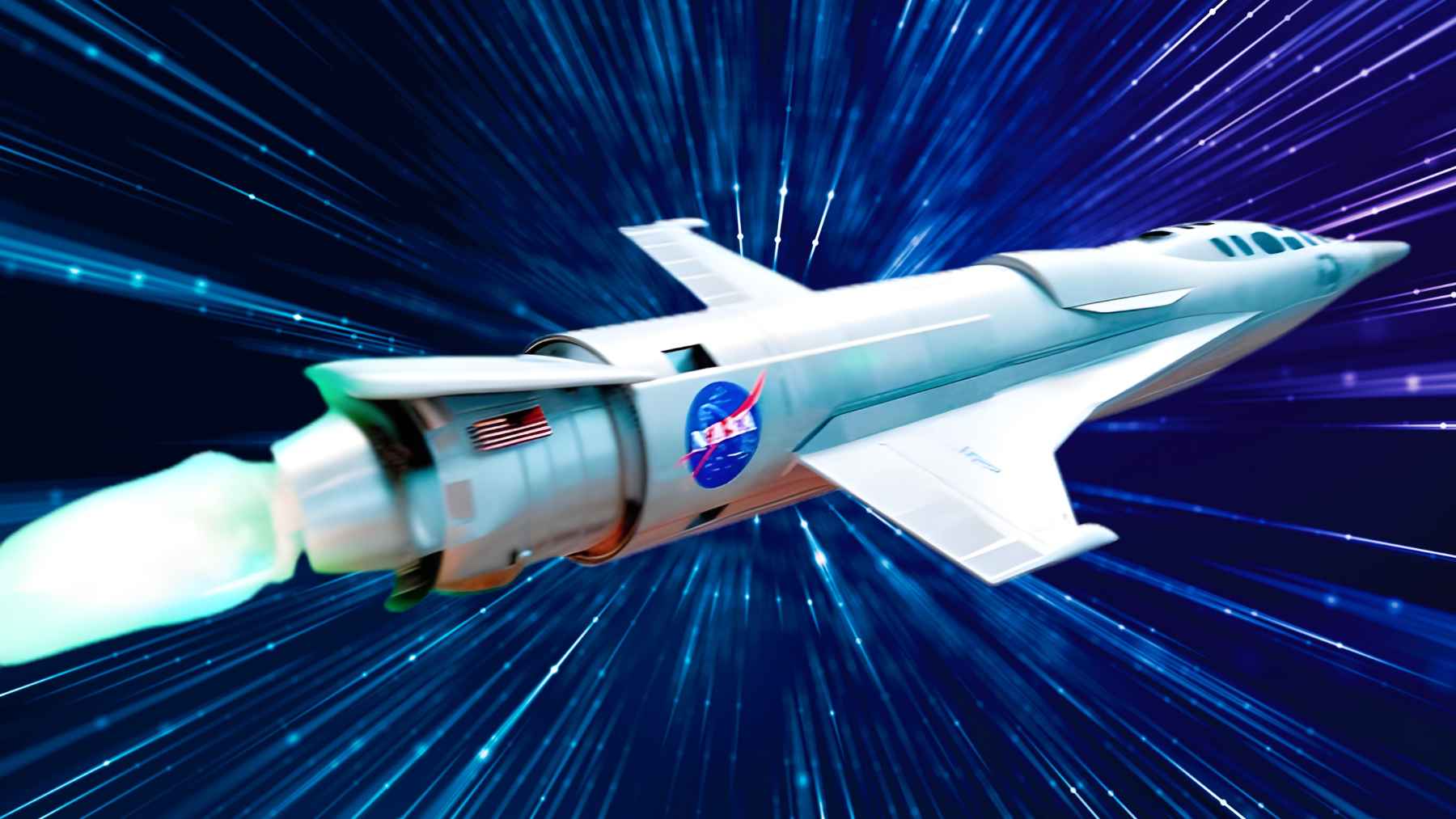
Concept illustration of a warp drive spacecraft bending space-time for faster-than-light travel

A new scientific paper is adding new fuel to one of space science’s most stubborn fantasies: a “warp drive” that could make distant stars feel like forever away. The research proposes a new way to create so-called warp bubbles, distorted regions of space-time that carry spacecraft, without the ships themselves breaking the cosmic speed limits. … Read more
Half of the universe’s ordinary matter is missing, astronomers say they’ve found it in a vast hydrogen cloud

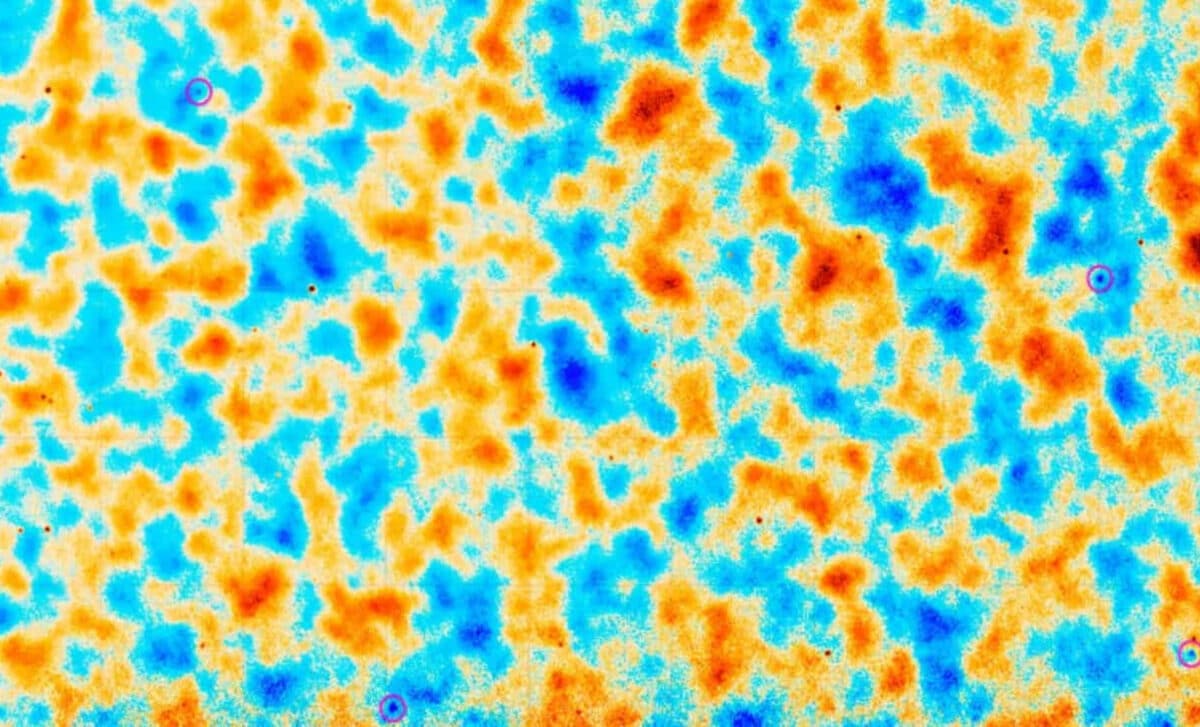
Map of space microwave background. The circles indicate spots where ionized hydrogen scattered radiation.

Ordinary matter, the atoms that make up stars, planets, and living things, make up only about 15% of the total matter in the universe. The rest is thought to be due to dark matter, but it has not been directly detected. However, more than half of that 15% remains unexplained, leaving gaps in cosmological models. … Read more